



Yunnan, China
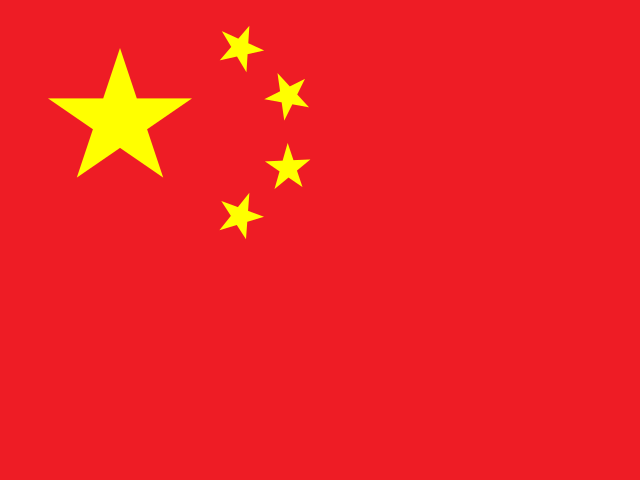
Type locality of the species. Subtropical pine forest; sold fresh in local wild-mushroom markets during the rainy season.

Discover · Learn · Source
A wild bolete from the pine forests of Yunnan and the Philippine Cordillera — prized in regional cooking, studied for a neurological effect science has yet to explain.
Buying in volume? Request a bulk or international quoteLanmaoa asiatica Boletaceae · described 2015
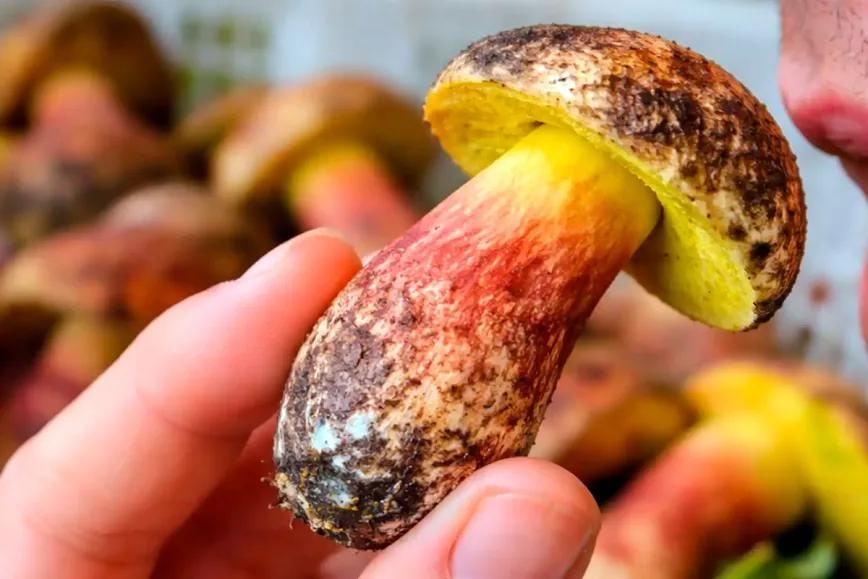
The Species
Lanmaoa asiatica is a reddish bolete sold in the wild-mushroom markets of Yunnan, where it is valued for its flavour. It is also linked to poisoning cases in the region, usually when it is eaten raw or undercooked.
The Origins
Two mountain regions 2,000 km apart, separated by the South China Sea, share the same species — and strikingly similar accounts of what it does when undercooked.
Type locality of the species. Subtropical pine forest; sold fresh in local wild-mushroom markets during the rainy season.
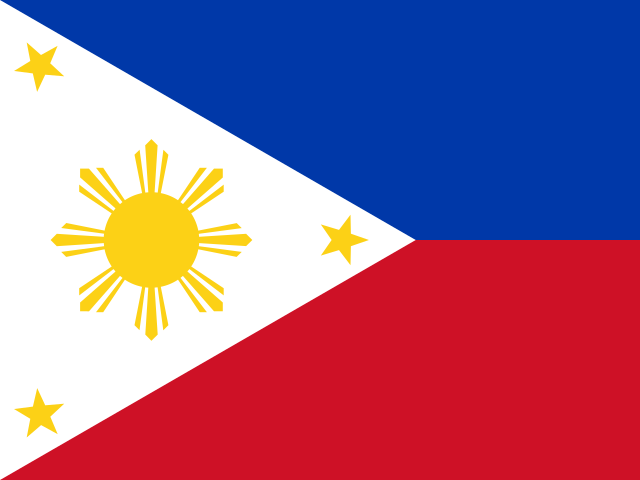
Highland pine forest of northern Luzon, where the mushroom is known locally and was matched to the species by DNA sequencing.
The Science
Its taxonomy is settled and its effects are well documented. What causes those effects is not: the compound responsible has not yet been identified.
Established
Still open
Research & Publications
Each entry is labelled by strength of evidence and links to its source, so you can read the original rather than take our word for it.
Wu, Yang and colleagues describe the species from Yunnan material (holotype HKAS 54094) within a revision of Chinese boletes.
Domnauer and Dentinger sequence specimens from the northern Cordillera and match them to the Yunnan species.
Four previously unknown compounds are reported. None has yet been shown to explain the neurological effects.
Independent accounts from Yunnan and the Philippines describe visions of small figures. The responsible molecule remains unidentified.
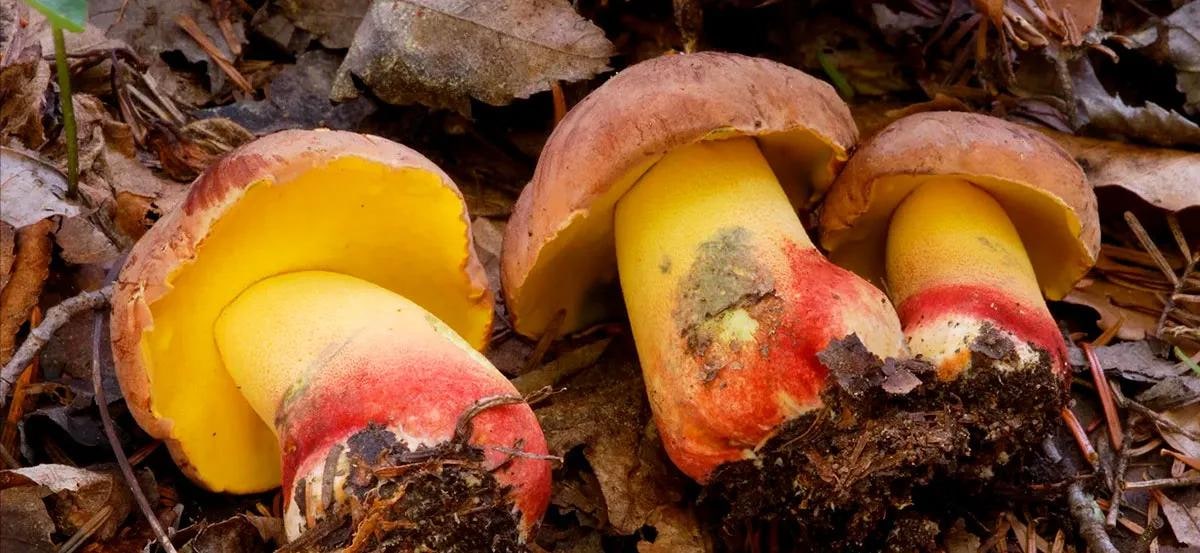
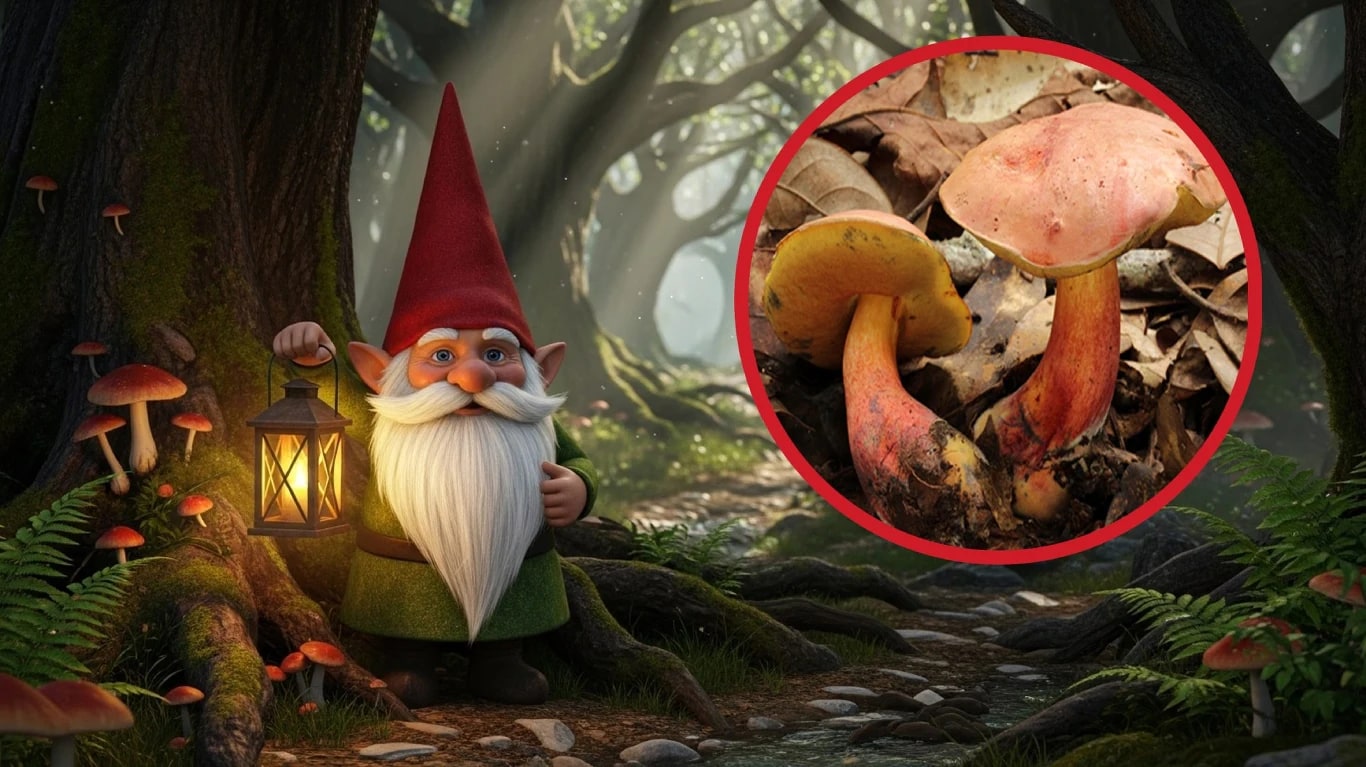
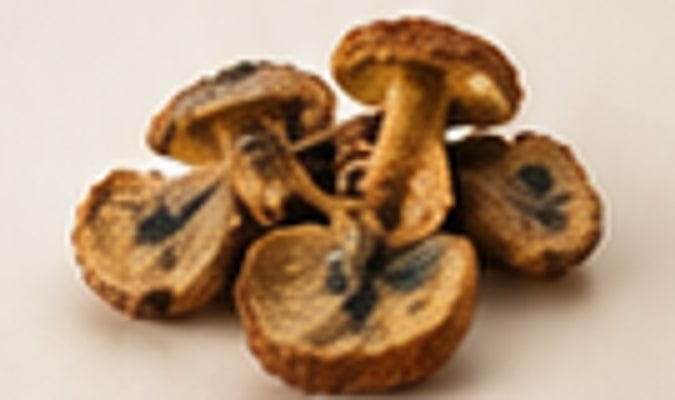
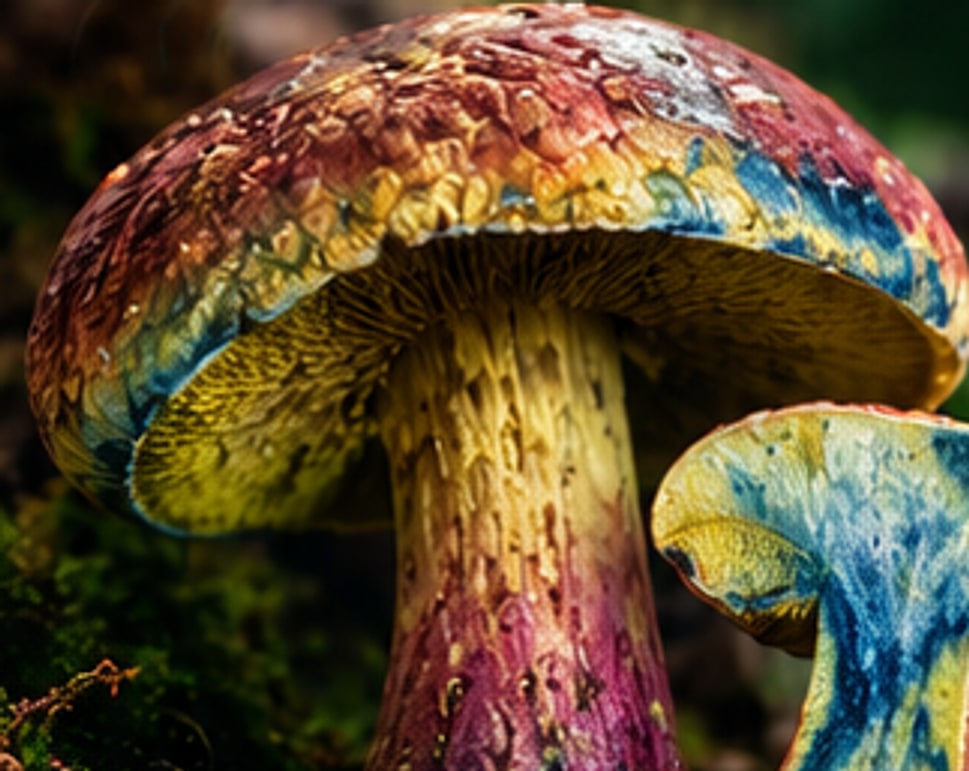
Fresh specimens, and an illustration of the “little people” described in clinical reports.
Education
A wild bolete mushroom in the family Boletaceae, formally described in 2015 from Yunnan, China. It has a reddish cap, a yellow pore surface and a stem flushed red toward the base, and it forms ectomycorrhizal partnerships with pine trees.
It is recorded in the pine forests of Yunnan in southwestern China and in the Cordillera highlands of northern Luzon, Philippines. It fruits in the warm, wet season.
When the flesh is cut or pressed, compounds in it oxidise on contact with air and turn blue — a reaction shared by many boletes. Bluing alone does not identify the species and says nothing about edibility.
A rare perceptual disturbance in which a person sees small human or creature-like figures. Clinical reports from Yunnan link this experience to eating the mushroom raw or undercooked; the cause is still unknown.
It belongs to a different family, and analyses to date have not found psilocybin or other known psychoactive compounds in it. The effects reported are also different in character.
Poisoning cases are associated with insufficient cooking. Follow local food-safety rules and qualified guidance; never eat wild mushrooms you cannot identify with certainty.
Content on this site is provided for education and research context. It is not medical, legal or food-safety advice, and nothing here encourages consuming wild mushrooms or seeking psychoactive effects.
Featured Products
Carefully processed Lanmaoa asiatica in the forms buyers ask for most. Each listing states its origin, form and handling — and nothing it cannot back up.
Availability varies by destination and product form.
Premium quality · Food grade
Concentrate · Research grade
Limited availability
Trade & research enquiries
Tell us the product form, quantity and destination. We check what can lawfully be supplied to your country before we quote, and reply with terms, documentation requirements and lead times.
Availability varies by destination and product form.
Before you go
Complete your order today and take 5% off with this code.
COMEBACK5One use per customer. Cannot be combined with other codes.
Newsletter
Harvest updates from Yunnan and the Cordillera, new research summaries and offers for subscribers. Join and get 10% off your first order.
One code per email address. Unsubscribe any time.
Thank you!